 The Old Country
The Old Country
The Old Country
Most surname histories will not show you their working, because the working is not there. Ours is. Below is a complete chapter from the MacLeod Surname Report, word for word as it appears on the page, followed by the report's entire sources list. Nothing has been shortened or tidied for the shop window.
Every report is built to this standard: where the record is solid we say what it shows, and where a story rests on clan tradition we say that too, in those words, on the page.
In a case at Dunvegan hangs a faded square of silk, perhaps eighteen inches across, worn to gauze and patched with small red marks tradition calls elf-dots. This is Am Bratach Sìth, the Fairy Flag, the most precious object the clan owns. Tradition holds it was the parting gift of a fairy wife to an early chief, with a promise attached: waved in the clan's hour of ruin, it will save the MacLeods three times. It has been waved, the tradition continues, twice, once famously at the raid on Trumpan in 1578, when a MacLeod force caught and destroyed a MacDonald raiding party. One wave remains.
The record, for once, deepens the mystery instead of dissolving it. Textile analysis dates the silk to somewhere between the fourth and seventh centuries and traces its weave to the eastern Mediterranean, to the Middle East and possibly Rhodes. The flag is not merely older than the legend. It is older than the clan by several centuries, and it was made half a world away. One scholarly theory makes it a holy relic, a saint's garment. Another has it carried home from the pilgrim routes of the East by a Norse ancestor, perhaps in the age of Harald Hardrada, and handed down the founder's line.
Tradition and science, in other words, agree on the only point that matters. The thing is genuinely ancient, genuinely foreign, and has been guarded at Dunvegan beyond the reach of any document. Whether a fairy or a crusading Norseman brought it, a family that has kept one piece of silk safe for eight hundred years has earned its motto honestly.
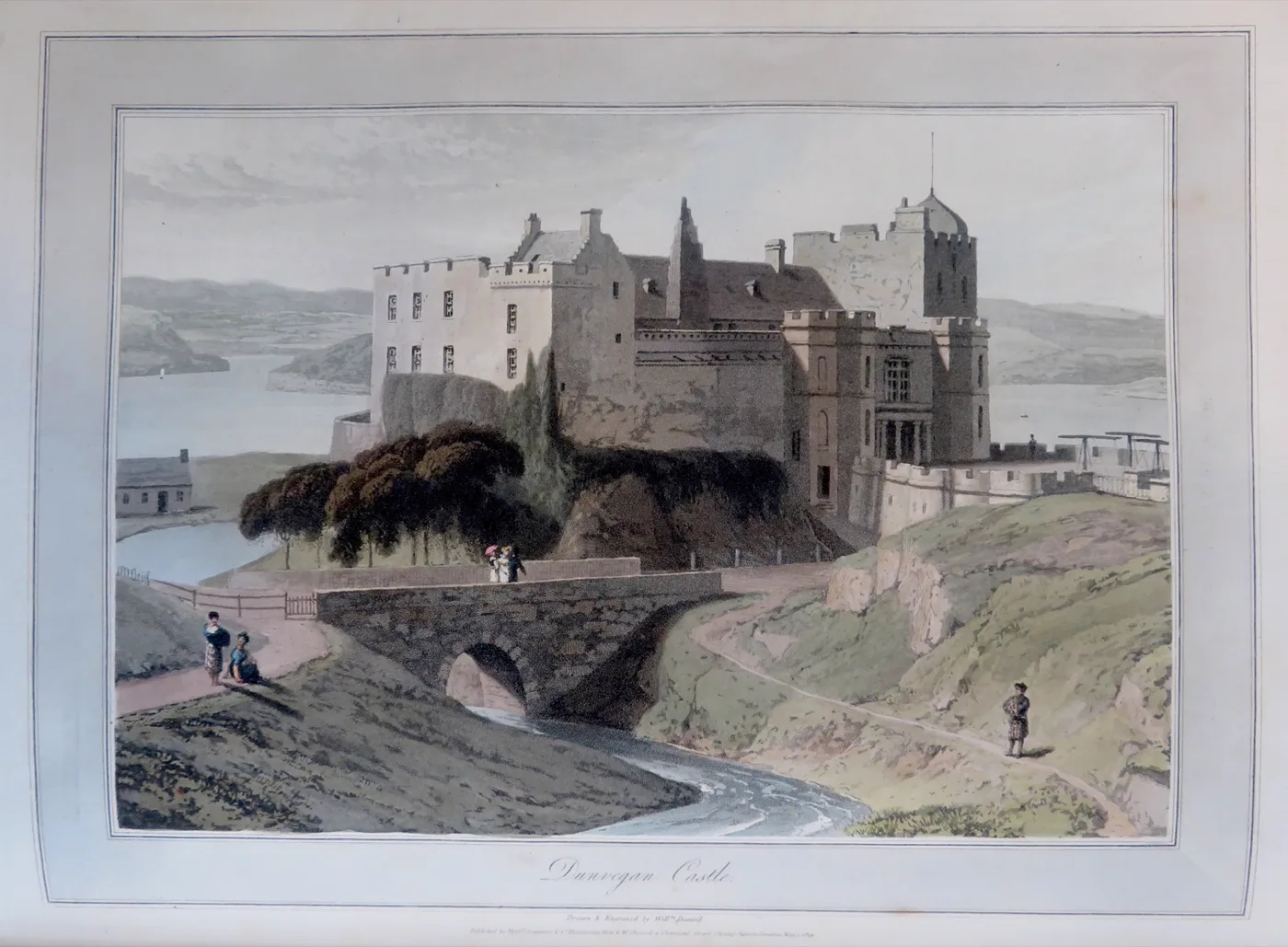
This is the complete sources list printed at the back of the MacLeod report, exactly as a buyer receives it.
Where tradition and record disagree in these pages, on Leòd himself, on the Fairy Flag, on the Loud MacLeod tartan, we have said so in the text rather than choosing quietly. That is the standard this report is built to.
The chapter above is one of three, alongside the name's origin, its castles, the crossing to the New World, and where to research your own line.
$14.99.
Get the MacLeod reportA different name? Find your volume in the library — sixty-seven names ready now, any other written for you in 48 hours at the same price.