 The Old Country
The Old Country
The Old Country
This report tells the story of a name built from the plainest possible root: Older Scots milne, a mill, the same word that gives Miller and Mills their trade. Overwhelmingly a name of Aberdeenshire and the neighbouring county of Angus, Milne first surfaces in the written record not as a surname at all but as a job description, in Latin. Adam Molendinarius, the miller, appears in an inquest held at the Castle of Dumfries during the reign of Alexander III, 1249 to 1286, too early and too generic a title to be claimed as this family's own. The first record this report treats as a genuine surname is dated and named: Hugh and Johannes de Molendino, excommunicated in the parish of Fyvie in 1382. The Lord Lyon's own Clerk, asked directly in a letter of 24 October 2000, wrote that people called de Molendino were in Aberdeenshire by the fourteenth century and that the name quickly moved into being Myll or Myln. That plain trade-word ancestry is worth stating clearly at the outset, because more than one modern armorial theory tries to dress the name in Norman finery it did not need and, on the evidence this report could find, does not have.
Aberdeenshire is where every source this report checked places the name's centre of gravity, and the geography explains why a mill-word surname would take root there and nowhere more strongly: a working agricultural county, watered by the Dee and the Don and a hundred smaller burns, dotted for centuries with the corn-mills that gave families their working name. Fyvie, in the county's northern half, holds the earliest dated record, the 1382 excommunication of Hugh and Johannes de Molendino. Aberdeen itself, the burgh and cathedral city at the mouth of the Dee, kept the registers that let this name be traced at all; the district of Rubislaw, on the city's western edge, later gave a Milne field marshal his own peerage title.
Sixty miles south, on the Angus coast, a second concentration of the name sits around Montrose and the small coastal parish of Lunan. Balwyllo, the seat of the name's most fully documented armigerous branch, lies in this same Forfarshire hinterland. Lunan itself, a hamlet on Lunan Bay a few miles south of Montrose, was the parish of Walter Milne, whose story this report tells in full two chapters ahead; the Red Castle ruins above the bay and the parish church he once served both still stand.
A third working city belongs to this name's story for an entirely different reason: Dundee, forty miles south again, where the Mylne family of master masons began the six-generation dynasty that ended, remarkably, on the banks of the Thames in London. This report does not claim these three places, Aberdeenshire, Angus and Dundee, as one continuous family; it states what the record shows in each, and lets the reader judge how much of a north-east regional name that adds up to.
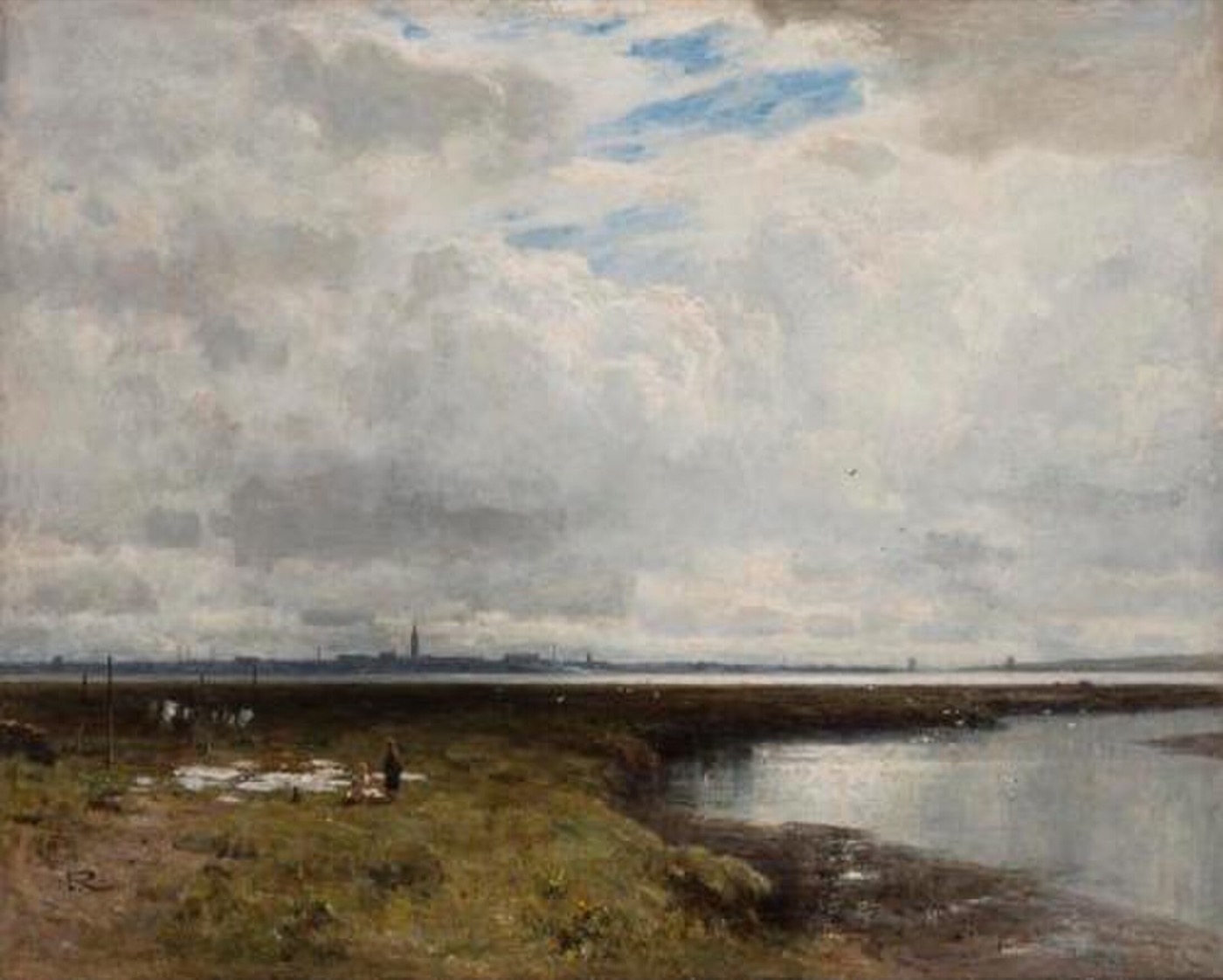
That was one chapter. The report carries the rest: where the name comes from, the clan and its chiefs, heraldry, the stories, a timeline, migration, the name today, notable bearers, and a page on tracing your own line. Every claim sourced the same way as the chapter above.
Get the Milne report$14.99 · instant download, yours to keep and print
Not your name? Search yours, or read how we work, with another full chapter.
This history is written by AI from public-domain sources and the family's own published records, every one of them listed above. Where tradition and record disagree the text says so rather than choosing quietly. No image on this page is AI-generated.
First edition · last revised