 The Old Country
The Old Country
The Old Country
This report tells the story of the name Wallace: what it means, where it rose, the history it carried, and how it crossed the ocean to the places its bearers live today. It begins with the strangest fact any Scottish surname owns. Wallace does not mean Scot. It means foreigner. It is the word the incoming Gaels and Scots used for the Britons they found already living in the west, and it is the name that Scotland's most famous patriot carried to the scaffold.
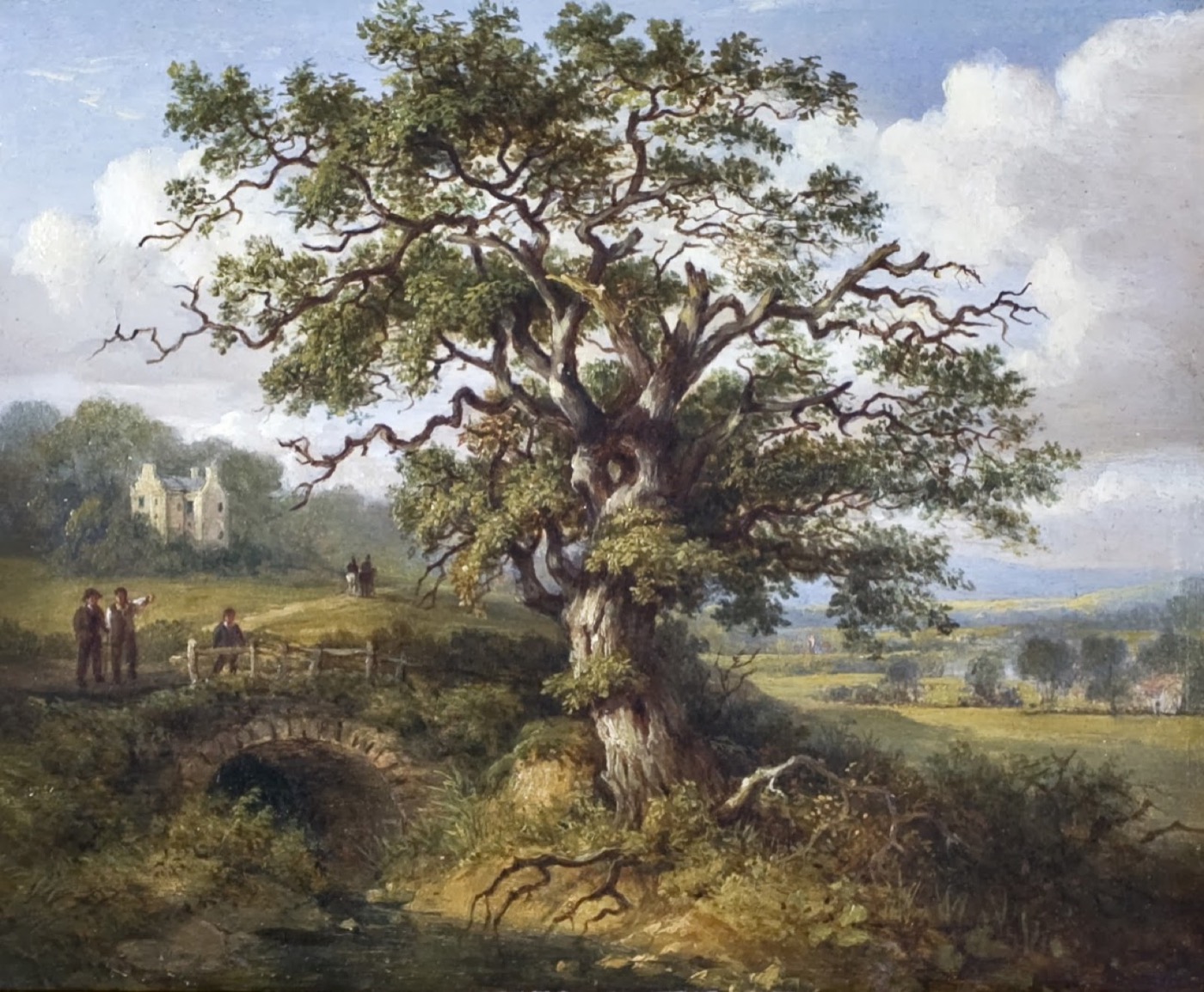
The country of this name is not the Highlands. It is the soft, wet, green, industrious west: Renfrewshire and Ayrshire, with Lanarkshire on the eastern edge, the ground between the Clyde and the Firth where Scotland later built its ships and its mills. Elderslie sits between Paisley and Johnstone, a village that would be entirely ordinary if it were not the traditional birthplace of the most famous Scot who ever lived. Riccarton is now part of Kilmarnock. Craigie is a farming parish south of it, and the castle the family took by marriage stands there in ruins. You can drive the whole homeland in a morning, and every mile of it is worked land rather than scenery.
The record and the tradition part company most sharply over the birthplace, and it is worth saying so plainly. Blind Harry's poem names Wallace's father as Sir Malcolm of Elderslie, and Elderslie has honoured that for six hundred years. The seal on Wallace's own letter of 1297 names his father as Alan. That single word on a piece of wax has made historians look again at Ellerslie in Ayrshire, where an Alan Wallace held land, and the honest position today is that there is no contemporary evidence for either place. Tradition holds Elderslie. The record shows only a father called Alan and a family spread across both shires.
The name's other country is Stirling, forty miles north-east, where the story happened rather than began. The Abbey Craig rises above the Forth, and from it the Scots watched an English army file across a wooden bridge two abreast in September 1297. The bridge you can walk today is not that bridge: the Auld Brig is a fifteenth-century replacement, and the crossing of 1297 stood a little upstream. That is the kind of correction this report exists to make, and it makes the place more interesting rather than less. The tower on the crag above it, finished in 1869, is the only monument in Scotland built by public subscription to a man with no title, no lands and no grave.
That was one chapter. The report carries the rest: where the name comes from, the clan and its chiefs, heraldry, the stories, a timeline, migration, the name today, notable bearers, and a page on tracing your own line. Every claim sourced the same way as the chapter above.
Get the Wallace report$14.99 · instant download, yours to keep and print
Not your name? Search yours, or read how we work, with another full chapter.
This history is written by AI from public-domain sources and the family's own published records, every one of them listed above. Where tradition and record disagree the text says so rather than choosing quietly. No image on this page is AI-generated.
First edition · last revised