 The Old Country
The Old Country
The Old Country
This report tells the story of the name Fraser: where it came from, the two great houses that carried it, the country it belongs to, and how it crossed the ocean to the places its bearers live today. It is the history of a name and of the people who wore it through eight centuries, drawn from charters, parliamentary records, muster rolls, census returns and the work of modern historians.
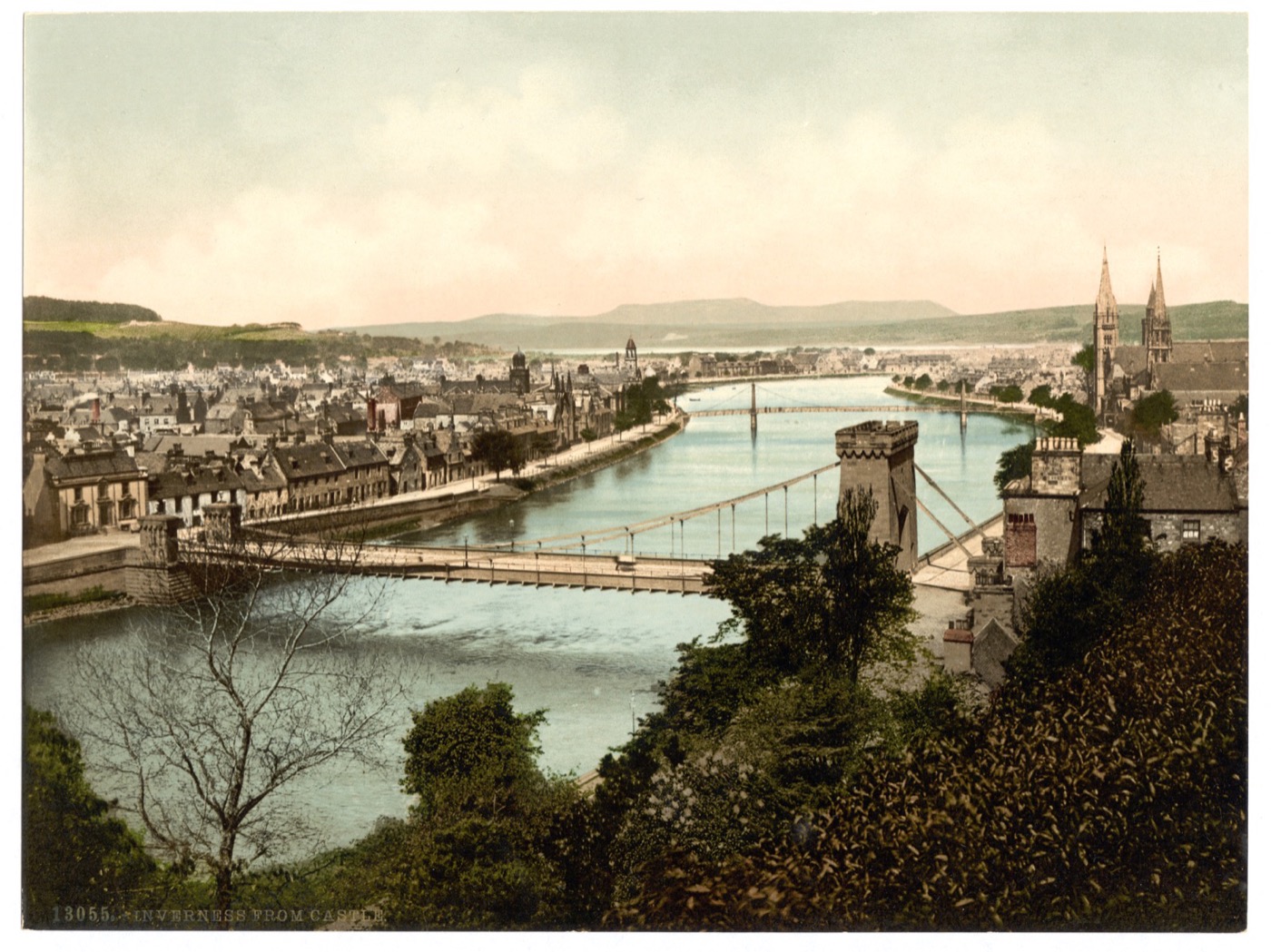
There are two Fraser countries, and a visitor with a week can stand in both. The first and greater is the Aird: the fertile shelf of land west of Inverness, running from the Beauly Firth up the Beauly and Glass rivers, with Stratherrick and the wilder south shore of Loch Ness beyond. This is Lovat ground. It is not the bare scenery of the tourist Highlands. It is good farming country, sheltered, wooded and green, which is exactly why a family that wanted power took it and held it for six hundred years. The village of Beauly sits at its centre, and the priory ruin at the top of its square is the clan's mausoleum, older than the clan's presence there and still the resting place of the chiefs who died at the Battle of the Shirts.
The second is Buchan, the flat wind-scoured corner of the north east where the Philorth Frasers built rather than fought. Fraserburgh carries the family's name in full, chartered out of a fishing village called Faithlie in 1592, and the light that still turns above the harbour sits inside the family's own castle at Kinnaird Head, converted in 1787 into the first lighthouse on the Scottish mainland. It is a very Fraser monument: a defensive tower with a lamp put in the top of it, paid for by a family that had bankrupted itself on harbour works.
For the visitor from the diaspora the Aird is unreasonably convenient. Inverness has an airport and a railway station, and everything below is inside a half-hour drive of it: Beauly and its priory, Kirkhill and the Wardlaw Mausoleum where the Lovat chiefs lie, Beaufort by Kiltarlity, Moniack, and Culloden Moor on the other side of the town, where a stone with one word on it marks where the men of this name were buried. The name is on the shopfronts, the war memorials and the headstones the whole way. Fraserburgh is a further three hours east, and worth the drive if your line runs to Buchan rather than the glens.
That was one chapter. The report carries the rest: where the name comes from, the clan and its chiefs, heraldry, the stories, a timeline, migration, the name today, notable bearers, and a page on tracing your own line. Every claim sourced the same way as the chapter above.
Get the Fraser report$14.99 · instant download, yours to keep and print
Not your name? Search yours, or read how we work, with another full chapter.
This history is written by AI from public-domain sources and the family's own published records, every one of them listed above. Where tradition and record disagree the text says so rather than choosing quietly. No image on this page is AI-generated.
First edition · last revised