 The Old Country
The Old Country
The Old Country
This report tells the story of the name MacGregor: what it means, where it rose, the history it carried, and how it crossed the ocean to the places its bearers live today. It is the history of a name, of the clan that made it famous and the people who wore it through seven centuries, drawn from parish registers, charters, acts of parliament, the minutes of the king's own council and the work of modern historians.
This name has two countries, and the second one exists because the first was taken. The old heartland is the head of Argyll: Glen Orchy, Glen Lochy and Glen Strae, running down to Loch Awe under the Black Mount, with Ben Cruachan closing the view to the south. It is high, wet, hard ground that grew cattle and men and very little else, and the clan held it for the best part of three hundred years without ever holding much paper to prove it.
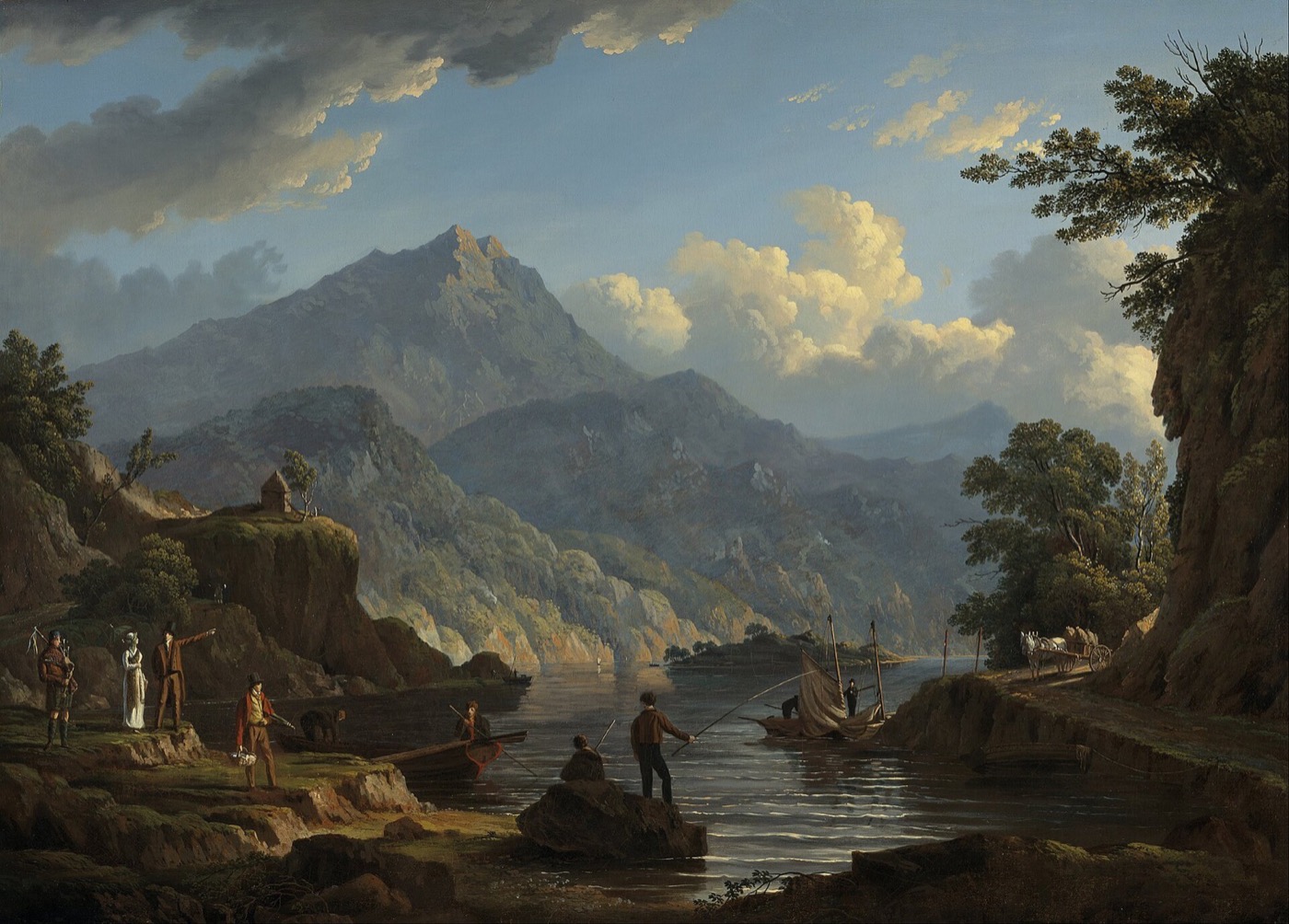
The second country is the one the clan retreated into, and it is the one most visitors mean when they say MacGregor: east and south into Glen Dochart and Glen Lyon, into Balquhidder, up Glengyle at the head of Loch Katrine, and down the wild eastern shore of Loch Lomond to Inversnaid. This is the Trossachs, and the fact that it is now one of the most visited landscapes in Scotland is not an accident of scenery. Walter Scott set The Lady of the Lake on Loch Katrine in 1810 and Rob Roy in these glens in 1817, and the tourist road followed the books almost immediately. John Knox was painting sightseers on the loch by 1815.
For the visitor from the diaspora the practical news is good. Balquhidder kirkyard, where Rob Roy lies, is about an hour and a half from Glasgow or Edinburgh and is open, free and unattended. Loch Katrine is twenty minutes further, with a passenger boat from Trossachs Pier and a shore road that reaches Glengyle. Glen Fruin, where the killing happened that ended the name, is above the Gare Loch on the way in. Glen Orchy is two hours north on the A82. You can stand in the whole story inside a long weekend, and almost none of it costs anything, which is a fair description of the clan itself.
That was one chapter. The report carries the rest: where the name comes from, the clan and its chiefs, heraldry, the stories, a timeline, migration, the name today, notable bearers, and a page on tracing your own line. Every claim sourced the same way as the chapter above.
Get the MacGregor report$14.99 · instant download, yours to keep and print
Not your name? Search yours, or read how we work, with another full chapter.
This history is written by AI from public-domain sources and the family's own published records, every one of them listed above. Where tradition and record disagree the text says so rather than choosing quietly. No image on this page is AI-generated.
First edition · last revised