 The Old Country
The Old Country
The Old Country
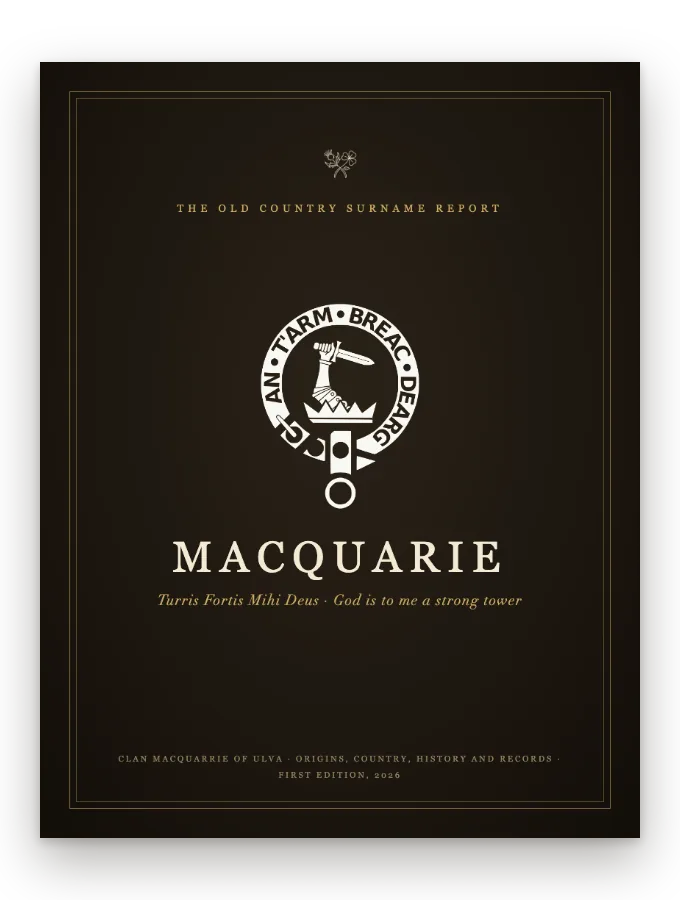
This report tells the story of a name almost nobody outside a small Hebridean island once had to say twice, and one man in it made famous on the far side of the world. Macquarie is the anglicised form of the Gaelic Mac Guaire, son of Guaire, and Guaire itself is an old Gaelic personal name meaning noble or proud. A manuscript genealogy of 1450 names Guaire as the progenitor of Clan MacQuarrie, brother of Fingon, ancestor of Clan MacKinnon, and Anrias, ancestor of Clan Gregor, three small clans tradition groups together as descendants of the Pictish and Dalriadic kings under the name Siol Alpin. The record this report can actually check starts later and more modestly: John, or Iain, Macquarrie of Ulva, chief, recorded witnessing a charter in 1463 and believed to have died around 1473, the earliest MacQuarrie the Old Country's own research could find named and dated in an independent source.
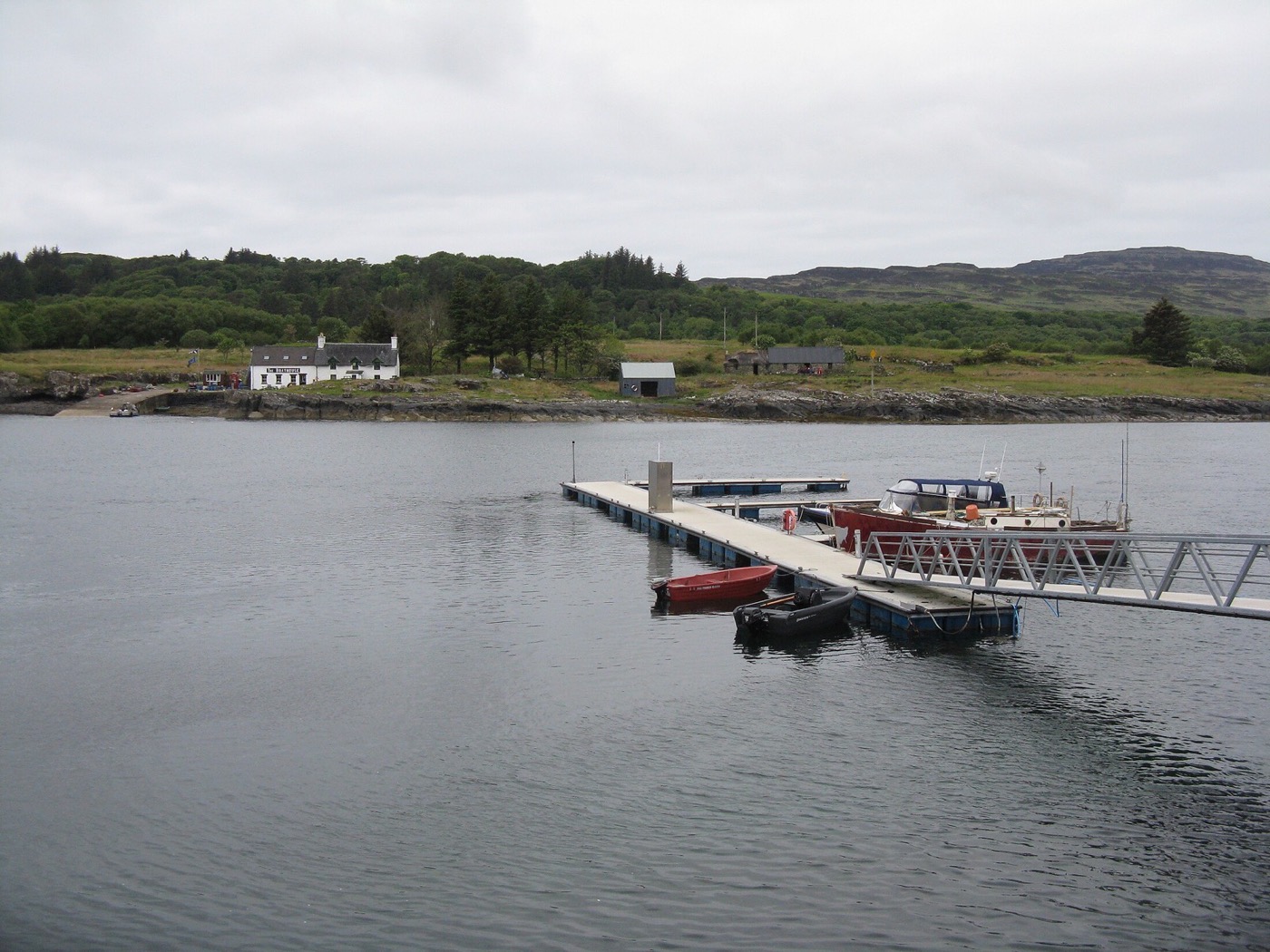
The country of this name is two small islands in the Inner Hebrides, off the west coast of Mull, in Argyll. Ulva itself is roughly five miles long, hill and pasture rather than a great estate, separated from Mull by a narrow sound a ferry still crosses today. Staffa, smaller again and famous for the basalt columns of Fingal's Cave, belonged to a different MacQuarrie proprietor, MacQuarrie of Ormaig, who sold it together with his own remaining third of Ulva the same year as the chief's own sale; this report's own cover chapter tells that sale in full. It is quiet, sparsely settled country now, the kind of ground that could support a small independent clan for three centuries without ever making that clan rich.
The sale of 1777 or 1778 did not end with the MacQuarries in any simple sense. Ulva passed through several owners after the Campbell purchaser Samuel Johnson's own letters name, and by the twentieth century had settled into a single family's hands for three generations, the Howards. In 2018, the island's population, thinned to a handful of residents by then, was resolved differently again: the North West Mull Community Woodland Company completed a community buyout on 21 June 2018, raising £4.65 million with the help of a £4.4 million grant from the Scottish Land Fund, and Ulva today belongs to that community trust, not to any descendant of the MacQuarrie chiefs.
Staffa, meanwhile, became one of Europe's best-known natural landmarks for reasons that have nothing to do with the family that once owned it: Fingal's Cave and its basalt columns drew Romantic-era visitors, painters and composers for two centuries after the MacQuarries sold it, Turner among them. The island the clan held is now better known for the island it never developed than for the family that held it.
That was one chapter. The report carries the rest: where the name comes from, the clan and its chiefs, heraldry, the stories, a timeline, migration, the name today, notable bearers, and a page on tracing your own line. Every claim sourced the same way as the chapter above.
Get the Macquarie report$14.99 · instant download, yours to keep and print
Not your name? Search yours, or read how we work, with another full chapter.
This history is written by AI from public-domain sources and the family's own published records, every one of them listed above. Where tradition and record disagree the text says so rather than choosing quietly. No image on this page is AI-generated.
First edition · last revised