 The Old Country
The Old Country
The Old Country
This report tells the story of a name so rare that Great Britain's own Dictionary of Family Names counts barely five hundred and fifty living bearers, and yet that same handful of people changed how every other English family finds its own past. Phillimore looks, at first glance, like it ought to mean something grand and martial, a knight's name or a place on a hill. The honest answer is quieter and stranger: the scholarly dictionaries read it as a later, reshaped form of Finnemore, itself uncertain between an Old French nickname for fine love and a scatter of English field names, and the earliest people who can be shown to have carried a form of this name at all were a family living at Cam, in Gloucestershire, from the sixteenth century onward, nothing more dramatic than that.
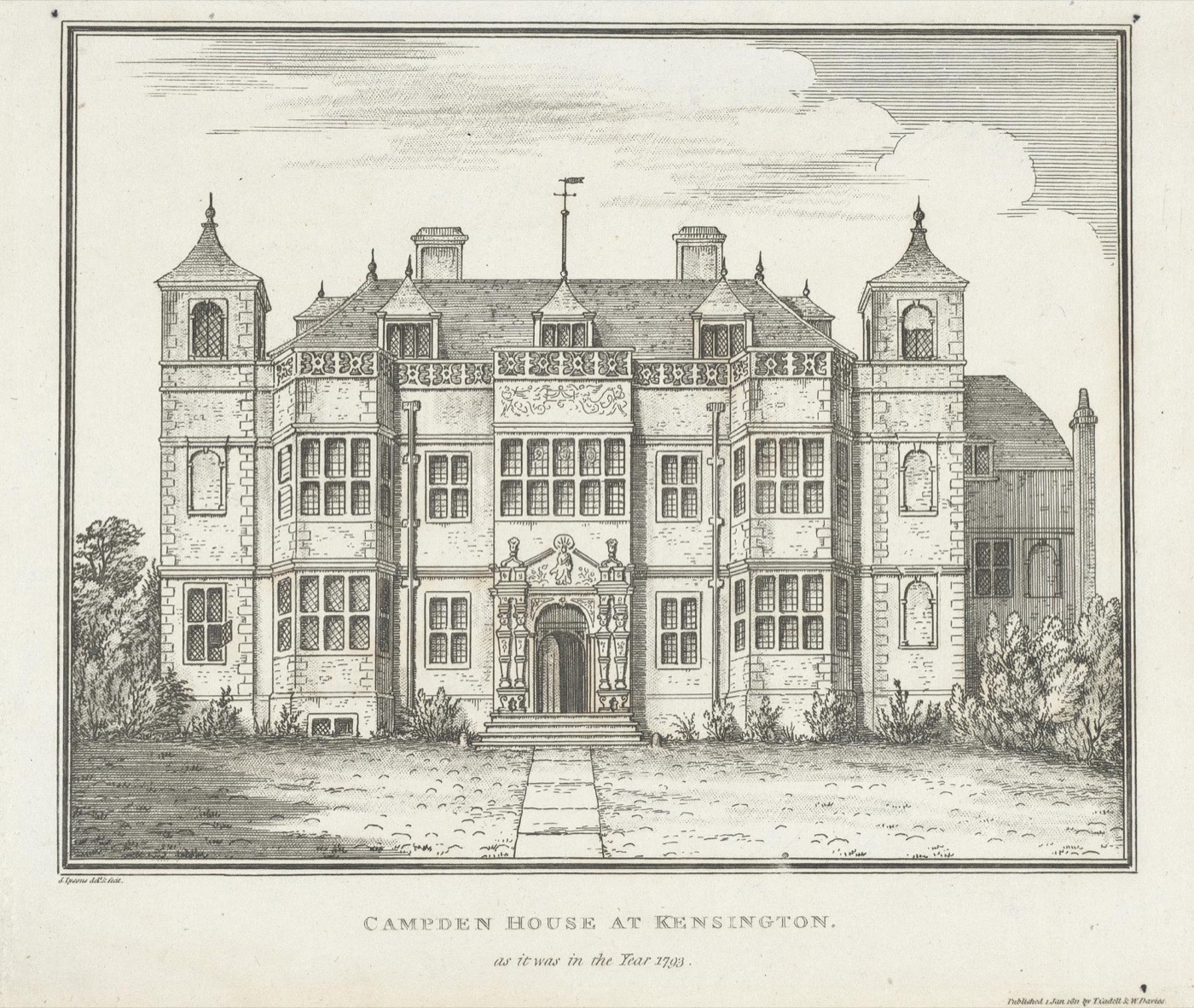
Kensington is where this name is written into London's own street plan, and the record is a plain one: the land now covered by Phillimore Gardens, Phillimore Walk and the Campden Hill streets around them entered the family through the marriage of a Joseph Phillimore in 1696. For close to two centuries afterward it was simply family land, farmed or let, no different from a hundred other gentry holdings on the edge of the city; only in the nineteenth century, as London grew west to meet it, did the estate become the streets that still carry the name. The Phillimore Estate today is smaller than it once was, with individual freeholds sold or enfranchised over the years, but Phillimore Gardens and Phillimore Walk remain, a name on a map long after most Londoners walking them have any idea whose it was.
The second house matters more to the story this report tells, because it produced the people in it. Joseph Phillimore, Regius Professor of Civil Law at Oxford from 1809 and Member of Parliament for St Mawes and then Yarmouth through the 1820s, kept his own home at Shiplake House, near Henley-on-Thames in Oxfordshire, on the Thames a short way upstream from where the river turns for London. It was an ordinary enough gentleman's residence for a working professor and MP, not a great seat, but it stayed in family use long enough that his grandson Walter's own elevation to the peerage in 1918 carried the same place-name into his title: Baron Phillimore, of Shiplake in the County of Oxford. A later generation of the family lived nearby at Coppid Hall, in the parish of Binfield Heath, a few miles from Shiplake itself.
Kensington gave the family a London address and a street sign. Shiplake gave a working professor a home, and gave his grandson, a century later, a peerage's own name.
That was one chapter. The report carries the rest: where the name comes from, the clan and its chiefs, heraldry, the stories, a timeline, migration, the name today, notable bearers, and a page on tracing your own line. Every claim sourced the same way as the chapter above.
Get the Phillimore report$14.99 · instant download, yours to keep and print
Not your name? Search yours, or read how we work, with another full chapter.
This history is written by AI from public-domain sources and the family's own published records, every one of them listed above. Where tradition and record disagree the text says so rather than choosing quietly. No image on this page is AI-generated.
First edition · last revised