 The Old Country
The Old Country
The Old Country
This report tells the story of a name that most people who carry it assume means nothing at all. Brown is the second most common surname in Scotland and the fourth most common in the United States. It is not a trade like Smith, not a place like Douglas, not a patronymic like Wilson. It is a colour. And a colour, on the face of it, tells you nothing about where a family came from.
The country of this name is the long south-western edge of Argyll, and it is shaped entirely by water. Knapdale lies between Loch Fyne on one side and the Sound of Jura on the other, a low country of wooded ridges, hidden sea-lochs and drowned valleys, so nearly cut through by the Crinan that a canal finished the job in 1801. South of it Kintyre runs forty miles into the sea like a held breath, and on its eastern shore, looking across at the mountains of Arran, sits Carradale. That is the estate the clan's genealogists name when they explain where the Browns of Argyll came from, and it is a real place you can stand in, with a harbour, a village and a wooded point above the water.
A surprising amount of the clan's Knapdale survives. Castle Sween stands on a low rock above its loch, roofless and enormous, generally counted among the oldest stone castles in the country. At Kilmory Knap, at the end of a road that keeps promising to end sooner than it does, a small chapel has been roofed in glass to shelter a crowd of West Highland carved grave-slabs and the tall late-medieval cross that carries the clan's name, its face cut with a crucifixion on one side and a hunting scene on the other. These are not grand buildings. They are better than grand: they are specific, they are quiet, and there is rarely anyone else there.
Two roads lead into this country, and part of the pleasure of a name this old is working out which is yours. If your Browns were Argyll people, from Kintyre or Knapdale or Arran across the sound, then Carradale and Kilmory are ancestral ground in the fullest sense. If they were Lowland or English Browns, or Brouns of the East Lothian line, then your country is elsewhere and just as real, and the chapter on tracing your line shows you how to find it. Either way this corner of Argyll is worth the drive: Lochgilphead is two hours from Glasgow, and everything in this chapter lies within an hour of it.
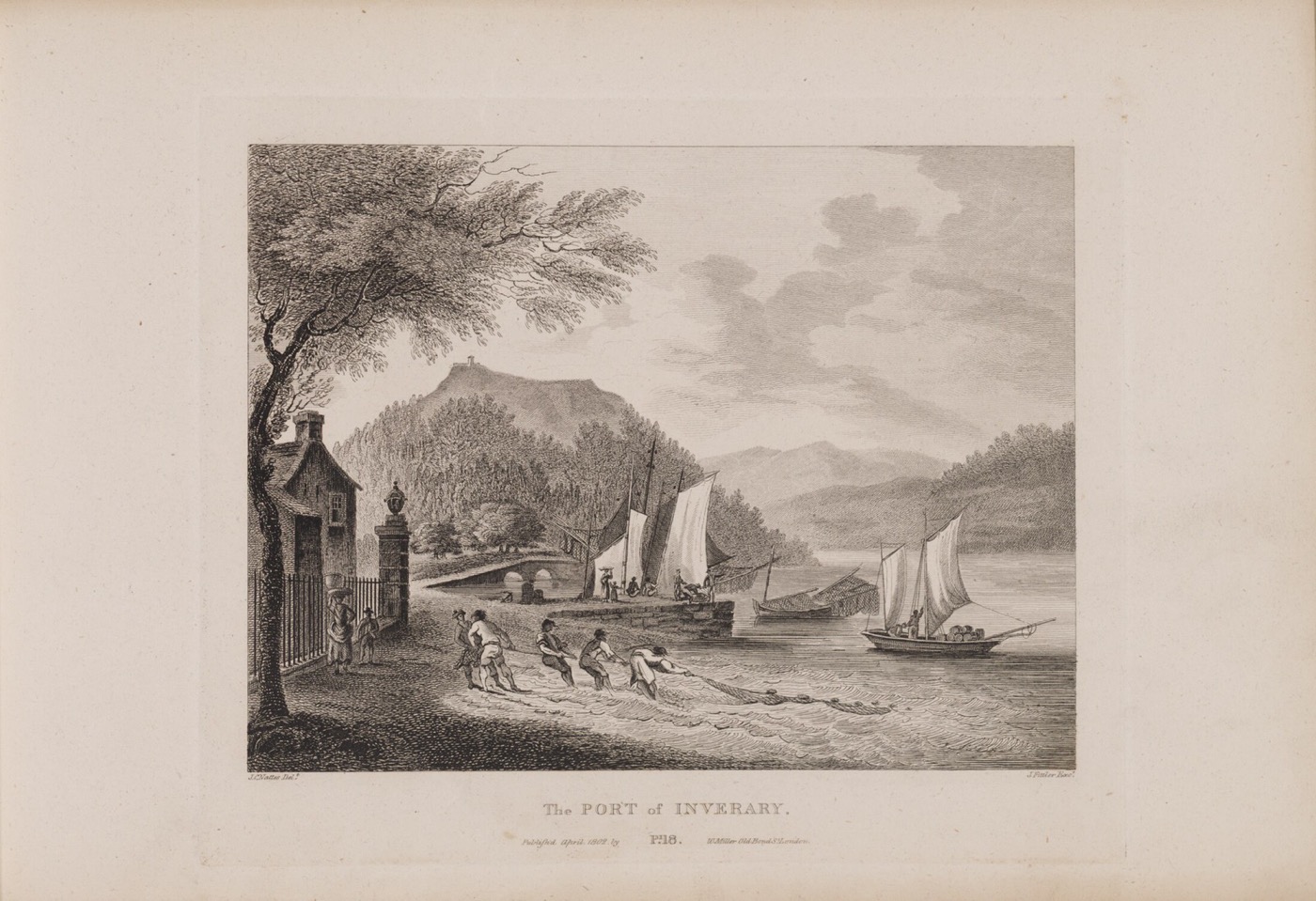
That was one chapter. The report carries the rest: where the name comes from, the clan and its chiefs, heraldry, the stories, a timeline, migration, the name today, notable bearers, and a page on tracing your own line. Every claim sourced the same way as the chapter above.
Get the Brown report$14.99 · instant download, yours to keep and print
Not your name? Search yours, or read how we work, with another full chapter.
This history is written by AI from public-domain sources and the family's own published records, every one of them listed above. Where tradition and record disagree the text says so rather than choosing quietly. No image on this page is AI-generated.
First edition · last revised