 The Old Country
The Old Country
The Old Country
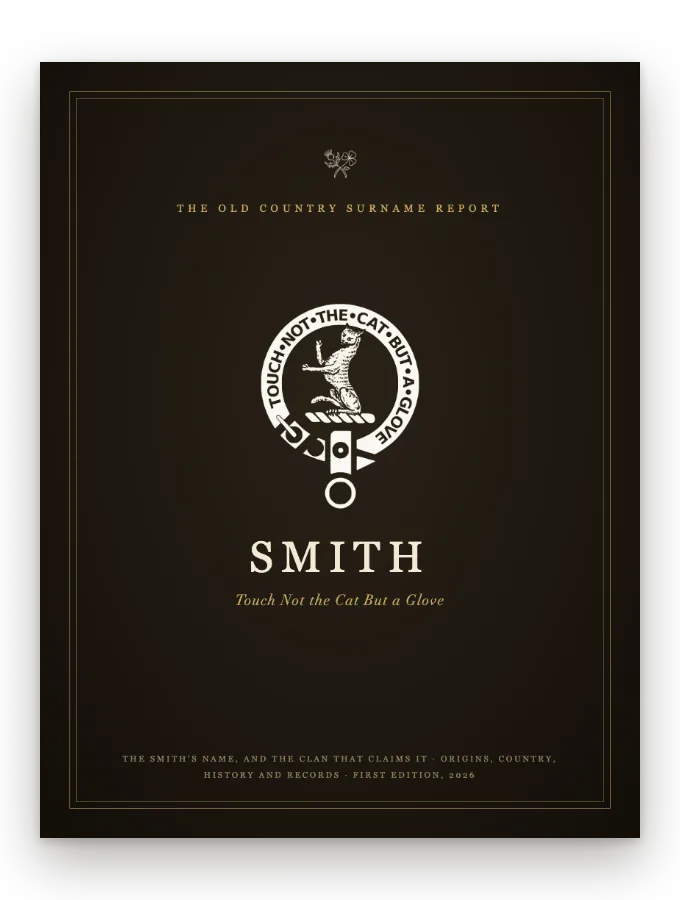
This report tells the story of the most common surname in the English-speaking world. Smith is first in Scotland, first in England, first in the United States, and first again in Canada, Australia and New Zealand. It is so ordinary that most people who carry it have never thought to ask where it came from, and have been told, if they asked at all, that somewhere back there the family shod horses. That is part of the truth and nowhere near all of it.
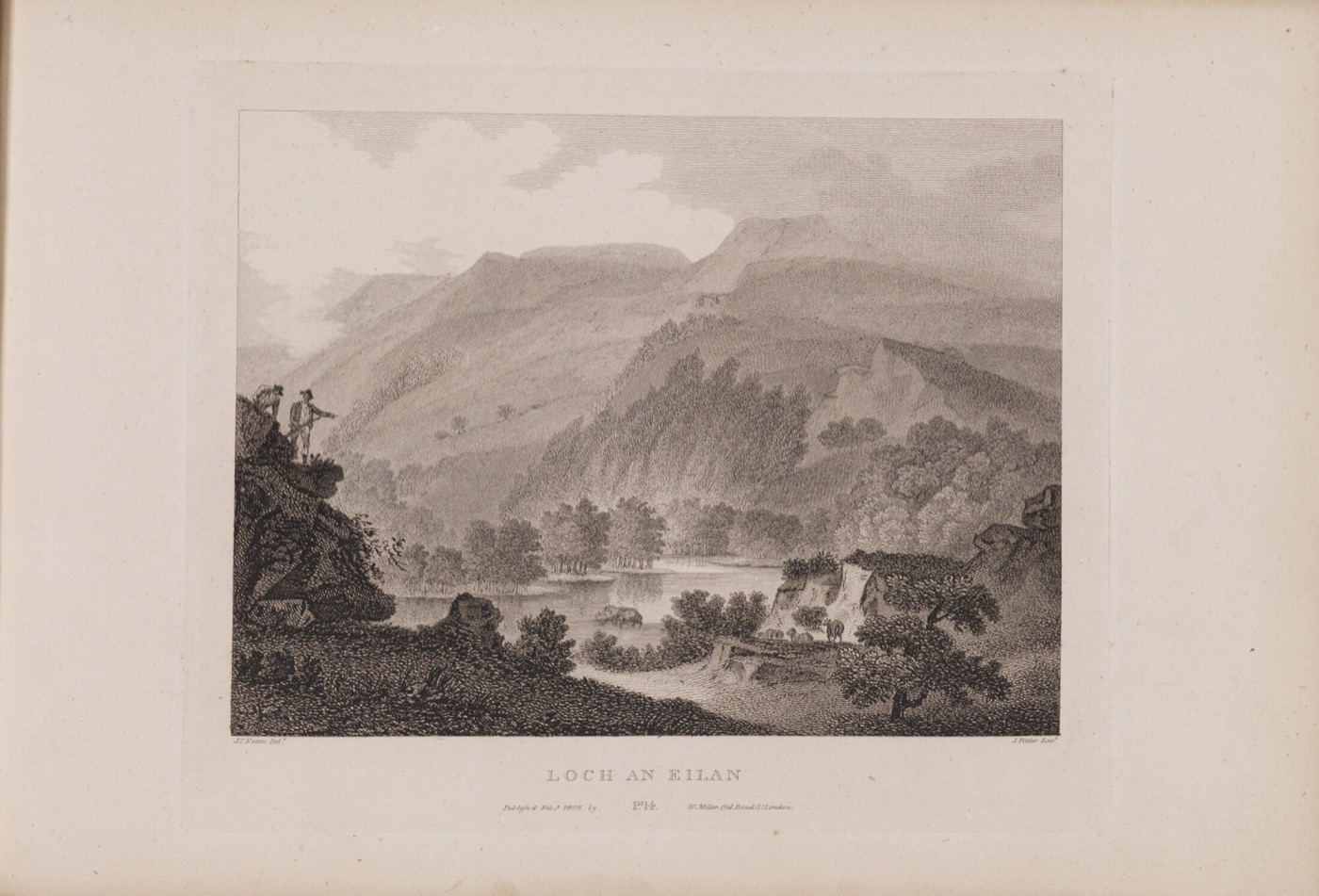
Badenoch is the upper valley of the Spey, a broad green trough running north-east between the Cairngorms on one side and the long brown wall of the Monadhliath on the other. The name is usually read as the drowned land, which anyone who has seen the Spey come over its haughs in a wet spring will accept without argument. Kingussie and Newtonmore sit at its centre, Loch Insh spreads below them, and the rock of Craig Dhu stands over the road west. This is not scenery borrowed to decorate a surname. It is the parish where Muirich preached, the ground Cluny hid in, and the country the Macpherson association still calls home.
A surprising amount of it can be walked. Ruthven Barracks stands on its green mound outside Kingussie, roofless since the Jacobites fired it in 1746 and floodlit at night, one of the most legible ruins in Scotland. Above Newtonmore the cave the chief used is still shown. In Newtonmore itself the Clan Macpherson Museum keeps the clan's relics, and among them the Black Chanter, the cracked wooden bagpipe chanter that tradition ties to the same 1396 field this report keeps returning to. It is a small museum in a small town, and it is the only place on earth where the objects behind this name are kept together.
Two roads lead into this glen, and part of the pleasure of this name is working out which one is yours. The Highland Smiths came down from Gow and Mac a' Ghobhainn, out of Badenoch, Strathspey and the Perthshire braes, and for them this is ancestral country in the fullest sense of the phrase. The Lowland and English Smiths took the name from the forge in their own parish, and their road runs through the burgh trades and the hammermen's guilds instead. Both are real inheritances and both are worth having; what decides between them is not the spelling of the name but the parish the family came from, which is exactly the kind of question the records can answer. The chapter on tracing your line shows you how. And the way in is easier than you would think: Kingussie is on the main line from Edinburgh and Glasgow, and the train stops there.
That was one chapter. The report carries the rest: where the name comes from, the clan and its chiefs, heraldry, the stories, a timeline, migration, the name today, notable bearers, and a page on tracing your own line. Every claim sourced the same way as the chapter above.
Get the Smith report$14.99 · instant download, yours to keep and print
Not your name? Search yours, or read how we work, with another full chapter.
This history is written by AI from public-domain sources and the family's own published records, every one of them listed above. Where tradition and record disagree the text says so rather than choosing quietly. No image on this page is AI-generated.
First edition · last revised