 The Old Country
The Old Country
The Old Country
This report answers a question asked in a comment under one of our Shorts: not American, but where did Swann come from. The honest answer is that it came from several places at once. Reaney and Wilson's Dictionary of English Surnames gives Swan and Swann at least three separate roots that have run together under one modern spelling: a nickname or a house sign taken from the bird itself; an occupational or servant's name from Old English swan, a swineherd or herdsman; and, converging on the same sound from a different direction entirely, the Old Norse personal name Sveinn, a young man or a servant, the same root that gives the related surname Swain. Later clerks dropped the article from le Swan, and the distinction that might have told one root from another went with it, so a scholarly source as careful as Reaney and Wilson says plainly that it is sometimes impossible to know which word produced which family's name.
Southfleet lies in north Kent, a few miles inland from the Thames estuary, in the flat, orchard and hop country the county was long known for before its towns grew into London's own commuter belt. It gave its name to the Swan baronetcy Burke's General Armory records, and the family's seat in the parish has a name of its own: Hook-Place, which Hasted's survey of Kent calls the seat of a family named Swan for some centuries, its owners writing themselves gentlemen in their own deeds as early as the reign of Richard II. Sir William Swan held it under James I and was buried in the parish church in 1612; his grandson's baronetcy of 1666 kept the family there until the second baronet conveyed the seat and its estate away to Harrington, and the title died with him in 1712.
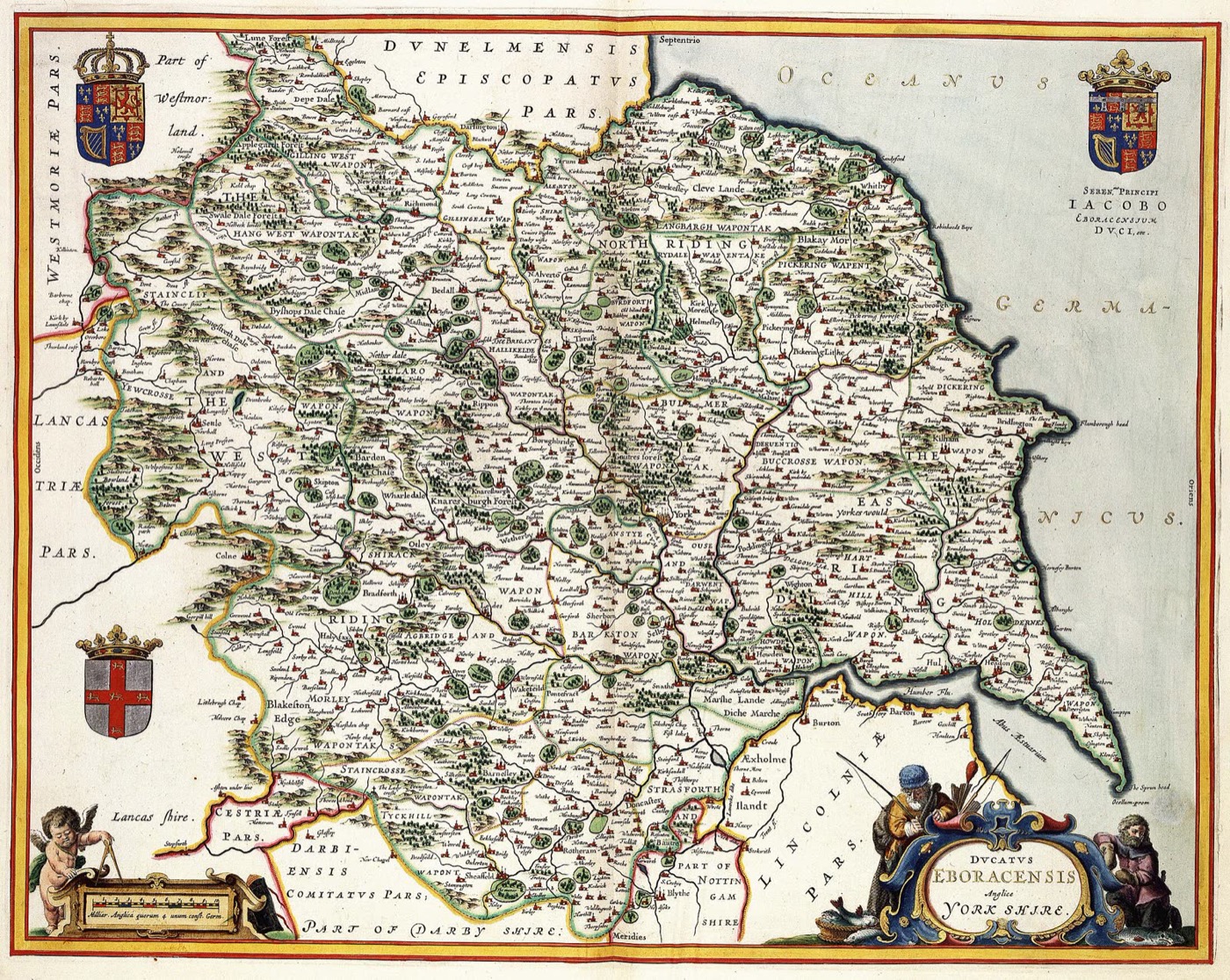
Two hundred miles north, Askham Hall in Yorkshire carried the Swann spelling's own documented English seat, a demi-talbot crest recorded in the same 1884 volume as Southfleet's swans. No source checked for this report ties the Askham Hall family to the Kent baronets by blood; they are two separately armigerous families who happened to spell the name the same way in two different counties. It is a coincidence of geography, not descent, that the University of York, whose Chancellor from 1979 was a very different, twentieth-century Swann, sits a few miles from Askham Hall itself, and this report notes the coincidence while stating plainly that it is nothing more.
Scotland's own place in this story is a single Edinburgh matriculation of 1828, not a clan territory or a Border stronghold; no source checked for this report found an older or better-documented Scottish seat for the name. What that leaves, honestly, is a name recorded in the south of England, the north of England, the east of Ireland, and, once, in Scotland's capital, never in one place long enough, or in one unbroken line long enough, to earn the kind of single homeland a Highland clan or an Irish sept can point to on a map.
That was one chapter. The report carries the rest: where the name comes from, the clan and its chiefs, heraldry, the stories, a timeline, migration, the name today, notable bearers, and a page on tracing your own line. Every claim sourced the same way as the chapter above.
Get the Swann report$14.99 · instant download, yours to keep and print
Not your name? Search yours, or read how we work, with another full chapter.
This history is written by AI from public-domain sources and the family's own published records, every one of them listed above. Where tradition and record disagree the text says so rather than choosing quietly. No image on this page is AI-generated.
First edition · last revised